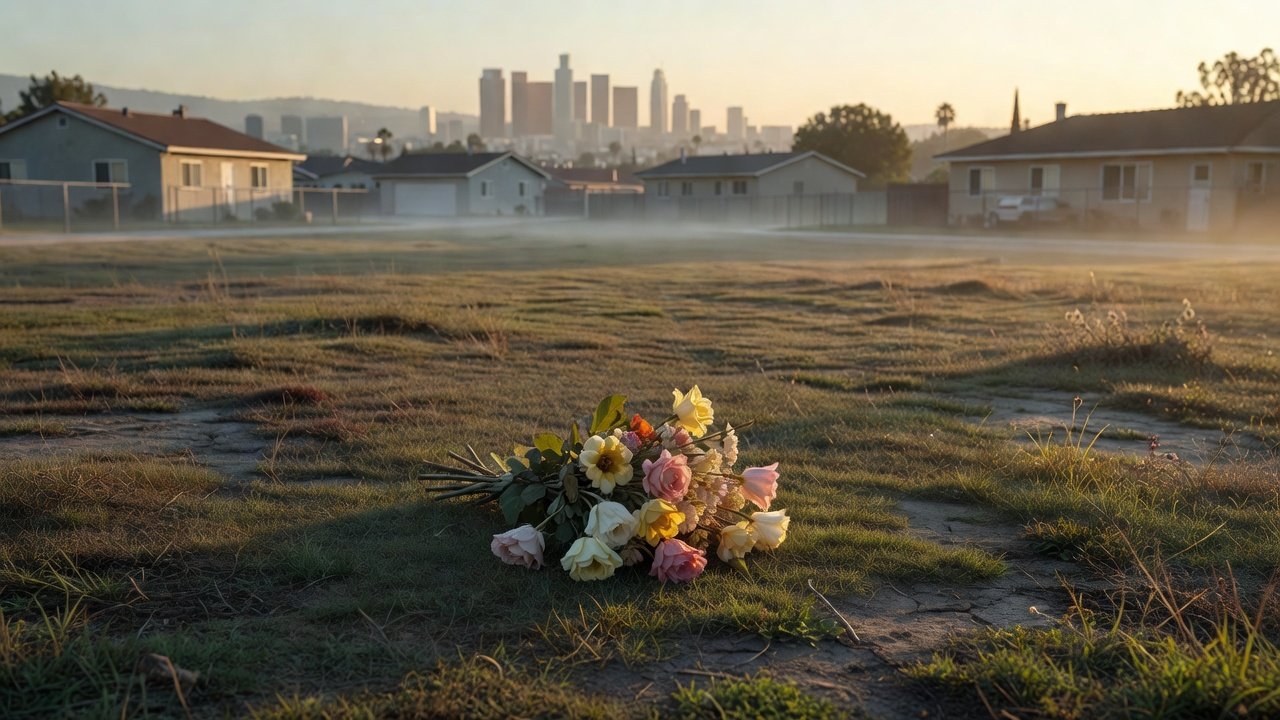
On February 19, 2020, the 20-year-old rapper Bashar Barakah Jackson, known as Pop Smoke, was shot and killed during a home invasion at a rental house on Hercules Drive in the Hollywood Hills. Six and a half years later, one of the people convicted in that killing is back in the news for a different reason: a Los Angeles judge sentenced him on August 13, 2026 to four years on drug-smuggling charges tied to fentanyl pills inside juvenile hall. It is a short court story with a lot of public-health weight, and it is worth getting the details right.
Pop Smoke was a Brooklyn drill artist who had broken out in 2019 and was on the verge of a major career when he died. His posthumous debut album went on to top the Billboard 200 later in 2020, which is part of why the case has drawn so much attention in Los Angeles and beyond. Behind the celebrity is a family that lost a son, and any coverage of the court proceedings should keep that first.
The Original Case, Briefly
Four people were charged in connection with the 2020 killing. Corey Walker, the only adult, was sentenced on February 21, 2025 to 29 years in state prison after pleading guilty to voluntary manslaughter and two counts of home-invasion robbery, according to FOX 11’s reporting. The other three were charged in juvenile court and their names were generally withheld at the time.
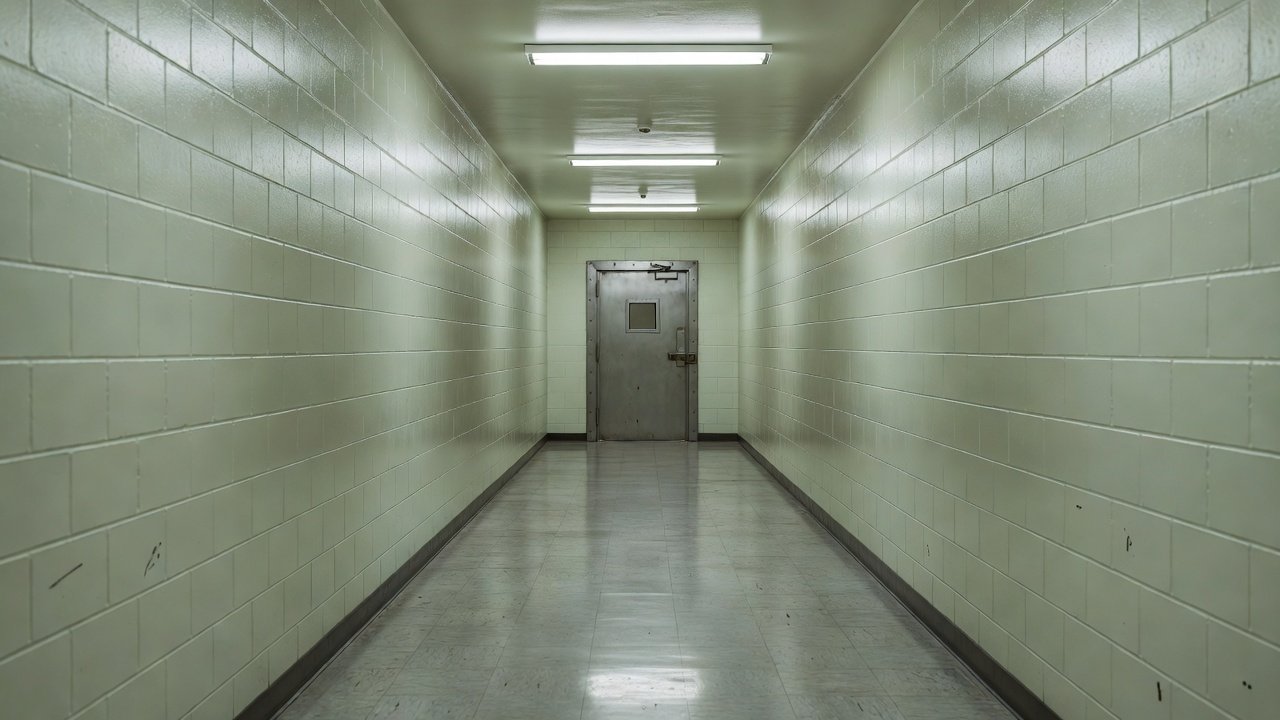
Deijae Devon Jester was 15 when Pop Smoke was killed. The Los Angeles County District Attorney’s Office describes him as having been convicted as a juvenile in the killing, and KTLA reports the conviction came in 2023. Jester turned 21 in October 2025, but was still being held at the Barry J. Nidorf Juvenile Hall in Sylmar, which is where this new case begins.
What the District Attorney Says Happened
The DA’s news release lays out the allegations and the outcome:
- December 14, 2025: While Jester was at Barry J. Nidorf Juvenile Hall, prosecutors say his mother, Nickia Tyonia Randall, tried to pass him two latex balls during a visit. One ball was recovered. It contained 25 fentanyl pills.
- Plea: On June 23, 2026, Jester pleaded no contest to three felonies: possession for sale of a controlled substance, bringing contraband into a jail, and bringing or sending contraband into a juvenile hall or camp.
- Sentence: On August 13, 2026, in the San Fernando Courthouse, he was sentenced to four years in the case numbered 26SFCF00250. Prosecutors had reportedly sought the five-year maximum.
- His mother’s case: Randall was charged by a complaint filed for warrant on February 6, 2026, with the same three felony counts. Her case was pending as of the DA’s release, and the charges are allegations.
DA Nathan Hochman said in the release that Jester had been given a chance at rehabilitation and instead chose to smuggle fentanyl into a juvenile facility.
One Detail Sources Disagree On
The DA’s office says the four years will be served in county jail. A report cited by the Los Angeles Times describes the judge ordering state prison. Because those accounts conflict, treat the custody location as unsettled until the court record is clear. Judge P. Tamu Usher, per KTLA, cited the alleged sophistication of the plan and an intent to sell the pills to other young people in custody.
Why Fentanyl in a Youth Facility Is the Real Story
True-crime readers will search this under the celebrity name, but the heart of it is a drug that kills quietly. Reporting on the sentencing said Jester had been involved in multiple narcotics incidents inside juvenile hall, including an overdose that required him to be revived with Narcan. That is a report, not a finding from the sentencing record, and I am flagging it as such.
We have written elsewhere about how the medical examiner investigates overdose deaths, and why fentanyl has changed LA death investigation. The practical point is this: counterfeit and street pills are impossible to judge by sight. The Los Angeles County Department of Medical Examiner notes that postmortem toxicology is a multistep process that can take three to six months, so confirmation of what killed someone often arrives long after the funeral.
What This Does and Does Not Change
It does not reopen the Pop Smoke case. Nothing in the DA’s release suggests any new finding about the 2020 killing. It adds a separate conviction to one defendant’s record, and a separate pending case against his mother.
It also should not be read as a verdict on juvenile justice in general. What it shows is narrower: in the 2020 case the juvenile court system held a teenager for years, and the new charges involve contraband reaching him inside a facility meant to hold him safely.
If you follow the Pop Smoke case, the primary documents to watch are the court dockets for Walker’s case and Jester’s case, and the outcome of Randall’s charges. Everything else is commentary, and this is a case where the family of a young man who died deserves facts before opinions.